


Walk into any high-performing tattoo studio and you'll notice something before you even see the artwork on the walls: the seating. Artists spend hours hunched over a single piece, clients sit still for sessions that can stretch into the afternoon, and every angle of the body needs steady support. The furniture holding all of that together deserves more credit than it usually gets.
For studio owners sourcing equipment, the choice of seating directly shapes client comfort, artist stamina, and the overall professionalism of the space. A tattoo chair that reclines smoothly, adjusts to multiple positions, and supports the body during long sessions can mean the difference between a client who returns for their next piece and one who dreads the appointment. This guide walks through what separates quality studio seating from the rest, how to evaluate build and material choices, and what to look for when selecting a supplier for your business.
Beyond comfort, there's a practical business case here. Studios that invest time in choosing the right equipment often see fewer cancellations due to discomfort, smoother workflow between appointments, and a stronger first impression for walk-in clients. These are the kinds of details that separate a studio clients rave about from one they simply tolerate.
Why Ergonomic Design Matters for Tattoo Artists and Clients
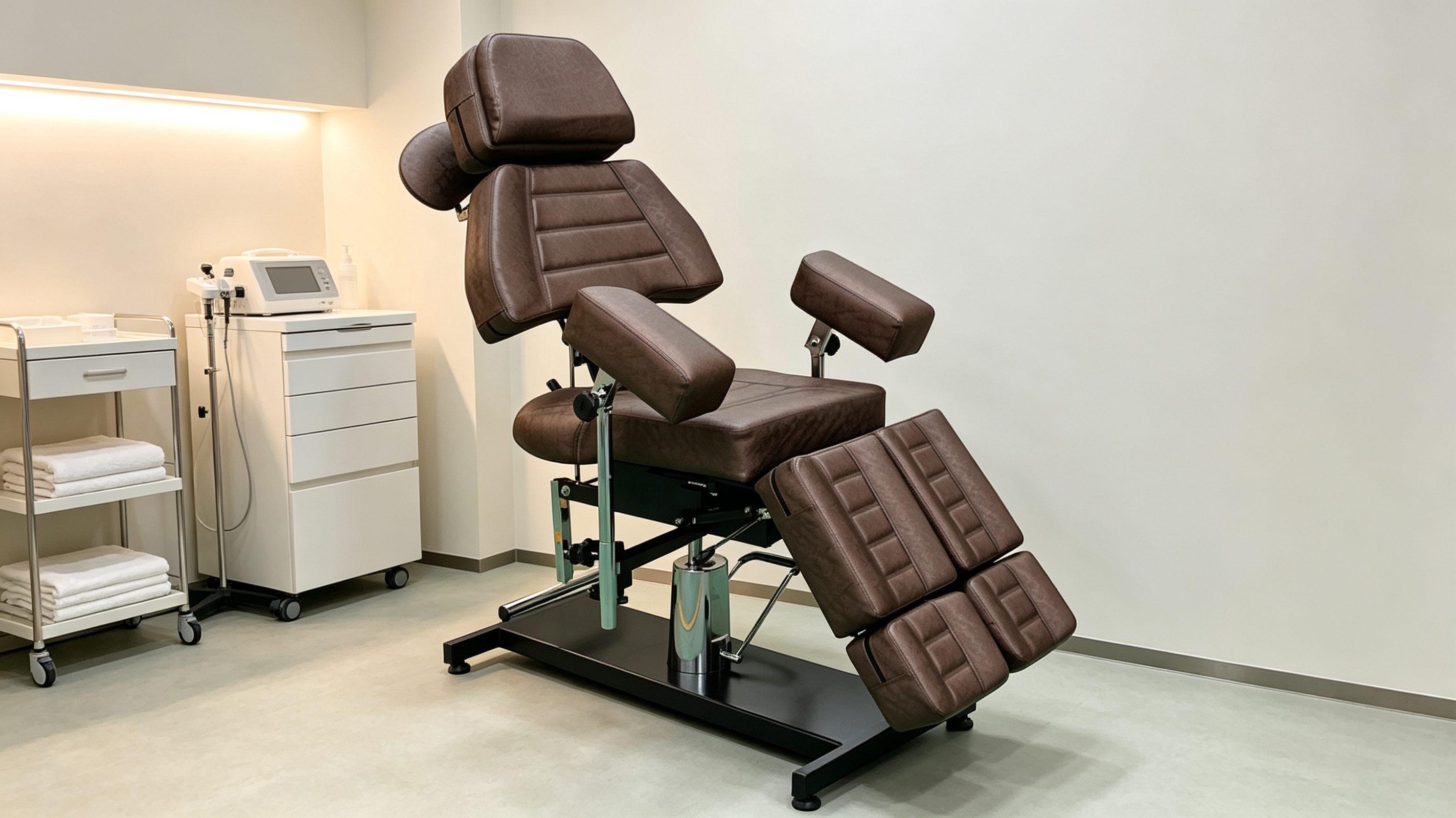
Tattoo sessions often run two, three, or even six hours at a stretch. During that time, both the artist and the client need consistent support. Poorly designed seating leads to numbness, muscle strain, and awkward positioning that can affect the precision of the linework itself.
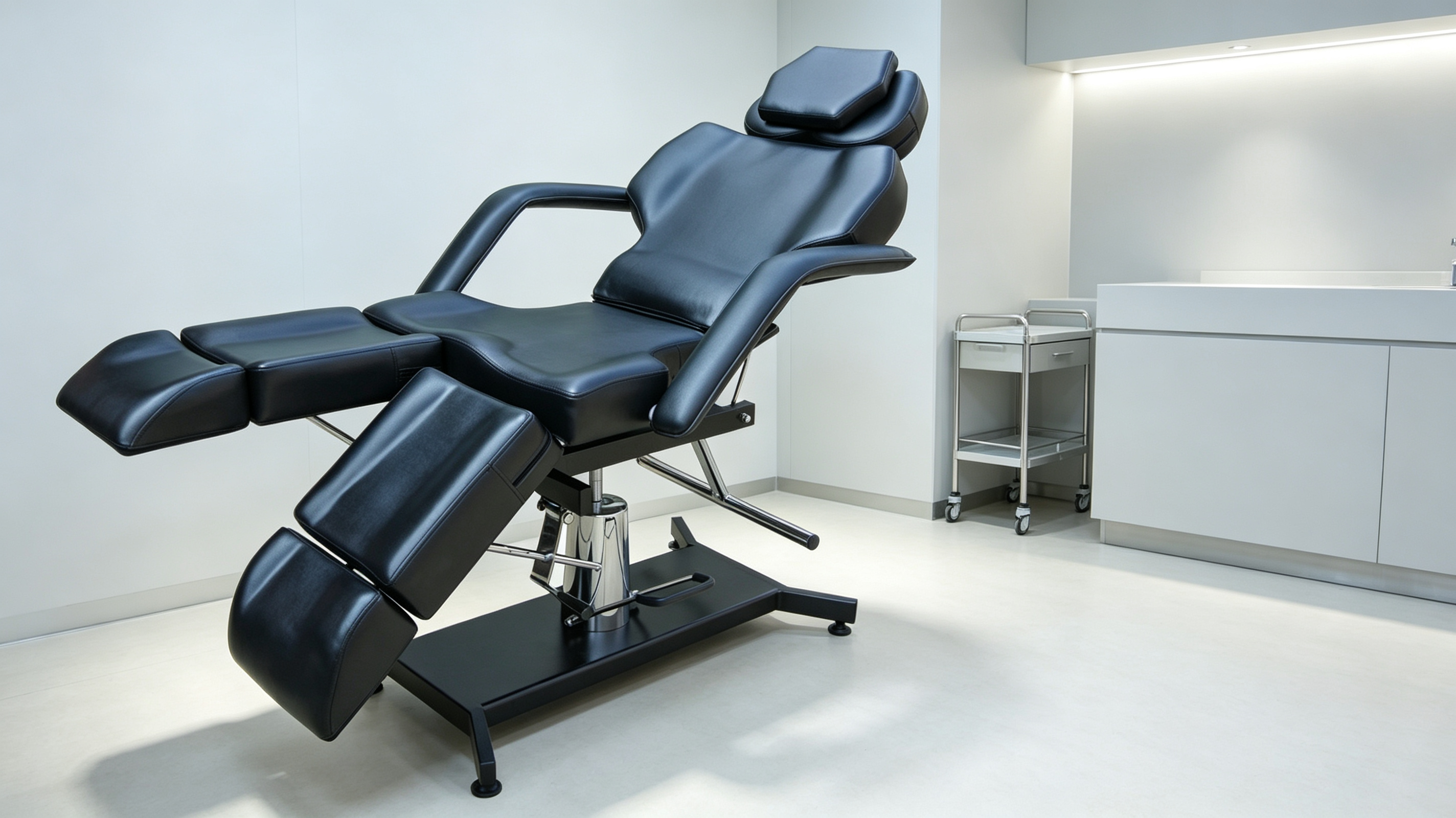
A well-built tattoo chair typically includes multi-angle backrest adjustment, a retractable or removable armrest for easier access to different body parts, and a base sturdy enough to hold its position without drifting mid-session. Hydraulic or electric lift mechanisms allow the artist to raise or lower the seat without interrupting their workflow, which matters when precision and steady hands are non-negotiable.
Client comfort also affects pain perception. According to pain management research commonly cited in tattoo industry publications, physical positioning and support during a procedure can influence how a person processes discomfort. A chair that distributes weight evenly and supports the lower back reduces unnecessary tension, which can make the whole experience more bearable for first-time clients especially.
What Should Studios Look for in Material and Build Quality?
Not all seating in this category is built the same. Studios should examine what the upholstery is made from, how the frame is constructed, and whether the piece is designed for daily, heavy use versus occasional sessions.
PU leather upholstery is a common choice because it resists staining, wipes clean easily, and holds up to the disinfectants required in a tattoo environment. Genuine leather offers a premium feel but requires more careful maintenance. Steel or reinforced aluminum frames tend to outlast cheaper alternatives, particularly in chairs that get used multiple times a day across a busy studio.
Tattoo chairs built for commercial use should also meet relevant safety and export standards. Certifications such as CE and PSE indicate that electrical components, like motorized lift systems, have passed testing for safe operation. This matters more than it might seem at first glance, since a malfunctioning lift mid-session isn't just inconvenient, it's a liability.
The table below outlines common feature differences between entry-level and professional-grade studio seating.
Feature | Entry-Level Seating | Professional-Grade Seating |
|---|---|---|
Frame material | Basic steel, lighter gauge | Reinforced steel or aluminum alloy |
Upholstery | Standard PU, limited stain resistance | Medical-grade PU or leather, high stain resistance |
Adjustment mechanism | Manual lever only | Hydraulic or electric multi-position lift |
Armrest design | Fixed | Retractable or fully removable |
Certifications | Often none listed | CE and PSE compliance common |
Expected lifespan | 1–2 years of heavy use | 5+ years of heavy use |
How Should Studios Evaluate a Supplier Before Ordering?
Choosing a supplier involves more than comparing price tags. Studio owners should ask about production capacity, quality control processes, and whether the company offers customization for branding or layout needs.
A reputable tattoo chair manufacturer typically has an established factory with documented quality checks at each stage of production, from frame welding to upholstery stitching to final assembly. Export certifications are another signal worth checking, since they indicate the products have been tested against international safety standards rather than just local ones.
It's also worth asking about after-sales support. Replacement parts, warranty terms, and responsiveness to questions after the sale all matter once the equipment is actually in daily use. A supplier that disappears after the invoice is paid leaves studios exposed if something goes wrong months down the line.
Buyers placing bulk orders for new studios or multi-location expansions should also confirm lead times and shipping logistics upfront. Delays on seating orders can push back a studio opening by weeks, which has real financial consequences beyond the cost of the furniture itself.
Frequently Asked Questions
How long does a professional tattoo chair typically last?
With proper maintenance, a professional-grade chair built from reinforced materials and certified components can last five years or more under daily commercial use. Entry-level models with lighter frames and basic upholstery tend to wear out within one to two years.
What's the difference between hydraulic and electric lift systems?
Hydraulic systems rely on a foot pump or lever to adjust height and tend to be more affordable and simpler to maintain. Electric systems offer smoother, motorized adjustments and are often preferred in busier studios where speed and ease of use matter during back-to-back appointments.
Are there safety certifications studios should check for before buying?
Yes. CE certification confirms compliance with European safety standards, while PSE certification applies to electrical safety requirements common in several Asian markets. Checking for these marks helps confirm the motorized components have been independently tested.
Can studio seating be customized for branding purposes?
Many manufacturers offer customization options such as upholstery color, logo embroidery, and frame finish. This is worth discussing early in the sourcing process, since custom orders typically require longer production timelines than stock models.
What's a reasonable price range for commercial-grade studio seating?
Pricing varies widely based on materials, lift mechanism, and order volume, but commercial-grade pieces with certified electrical components generally cost more upfront than basic manual models. Studios should weigh the higher initial cost against the longer expected lifespan and reduced replacement frequency.
Choosing Seating That Supports Your Studio Long-Term
Selecting the right seating isn't a decision to rush. The chair an artist works from and the chair a client sits in for hours shapes the entire studio experience, from first impressions to repeat business. Certified construction, durable materials, and a supplier with a track record of consistent quality all play a role in that outcome. In short: prioritize ergonomic design, verified safety certifications, and a manufacturer with transparent production standards, and the seating in your studio will hold up to the demands of daily, professional use for years to come.